X-mas Tree: A Festive Color Fonts Choice
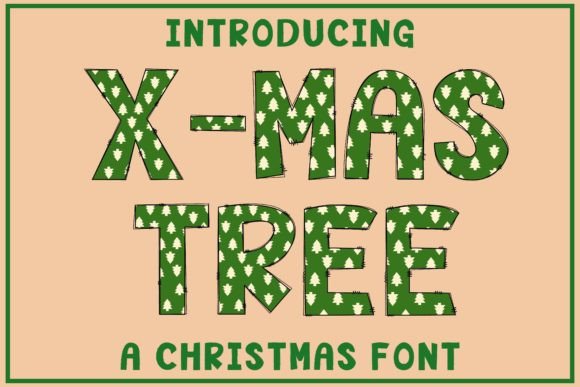
As a brand designer who’s developed visual identities for over 40 local businesses—from artisanal candle studios and neighborhood bakeries to handmade soap makers and seasonal florists—I approached X-mas Tree not as another decorative font, but as a potential graphic design asset with real-world packaging and branding implications. My first impression? It’s instantly warm, unapologetically joyful, and unmistakably hand-crafted—yet built with modern color font technology that delivers crisp, layered vibrancy straight from the glyph.
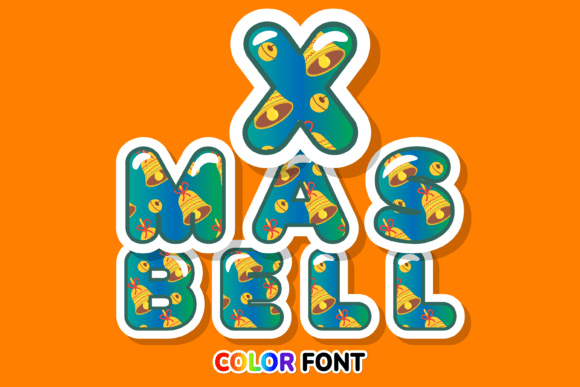
This isn’t a “safe” holiday typeface. X-mas Tree leans into its playful character with bold outlines, subtle texture overlays, and cheerful chromatic fills that evoke hand-painted ornaments, vintage sticker sheets, and cozy café chalkboards. It suggests a brand personality that’s friendly, approachable, and intentionally human—ideal for small business branding rooted in authenticity: think a downtown cookie shop launching limited-edition gingerbread gift boxes, a botanical skincare line releasing peppermint-scented holiday sets, or a children’s toy boutique curating festive window displays.
Where X-mas Tree Adds Real Value for Local Business Branding
In practice, X-mas Tree shines brightest where emotional resonance meets tactile experience. For a local coffee roaster designing their annual “Merry Mocha” holiday bag, I used X-mas Tree for the product name on the front panel—paired with a clean sans serif for origin notes and roast date. The contrast created instant visual hierarchy: festive energy up top, trustworthy detail below. Shelf appeal improved immediately. Customers paused longer. That’s not just decoration—it’s strategic packaging design.
Here’s where it consistently delivers:
- Product labels and hang tags — especially for handmade business items like soy candles, ceramic mugs, or linen napkin sets. Its charm reads clearly at 16–24pt on matte kraft paper.
- Seasonal packaging accents — stamped foil stickers, die-cut gift box liners, or ribbon-printed tags. When exported as SVG, X-mas Tree retains vector fidelity for precise cutting.
- Social media graphics and printable design — Instagram story countdowns, printable advent calendars, or Canva templates for local event flyers. Its built-in color means no manual layering in design tools.
- Thank-you cards and branded inserts — slipped inside orders from a home decor shop or boutique. Feels personal without requiring custom illustration.
- Hero visuals for web banners and email headers — where warmth and clarity must coexist in under three seconds of attention.
What Stronger Presentation Looks Like With This Font
Using X-mas Tree thoughtfully strengthens multiple pillars of professional branding. It sharpens first impressions—shoppers scanning a farmers’ market stall or scrolling a holiday pop-up page instantly grasp tone and seasonality. It boosts product recognition: when your hot cocoa mix shares the same joyful letterforms across mugs, stickers, and Instagram posts, memory encoding improves. It supports clearer visual hierarchy by assigning emotional weight to headlines while leaving body copy legible and grounded.
Most importantly, it builds customer trust—not through sterility, but through consistency and care. A handmade soap brand using X-mas Tree on their lavender-sage holiday bar label *and* their “Thank You for Supporting Local” card signals intentionality. That cohesion tells customers you’ve invested in your brand identity—not just your product.
Use With Intention: Where X-mas Tree Fits—and Where It Doesn’t
X-mas Tree excels in decorative, high-impact zones—but it’s not universal. Avoid it in formal corporate branding, legal disclaimers, ingredient-heavy food labels (where readability trumps flair), or minimalist luxury contexts (e.g., a high-end olive oil brand’s core line). It can overwhelm crowded packaging layouts or fade on low-contrast backgrounds like pale gold on cream.
I also caution against using it for primary logo design unless your entire brand lives in festive, playful territory year-round. For most local businesses, it works best as a *supporting* display font—complementing a strong, neutral logotype rather than replacing it.
Practical Designer Notes Before You Commit
Before licensing X-mas Tree for client work or your own small business branding, run these checks:
- Test it on real packaging mockups—especially matte, textured, or recycled substrates. Some color fonts shift subtly under certain print conditions.
- Preview black-and-white usage. Does the shape hold up if color fails? (It does—but confirm with your printer.)
- Check legibility at 10pt on small labels—like tea tin tags or spice jar seals.
- Pair it with your brand colors in both digital and printed proofs. Some hues intensify or mute depending on export settings.
- Compare side-by-side with competitor packaging. Does it stand out—or blend in?
- Inspect SVG transparency and PNG alpha channels if using for web or social. Not all color fonts export cleanly across platforms.
- Test alongside serif, sans serif, script, and handwritten fonts to gauge contrast and rhythm.
- Verify commercial license coverage—especially for physical product sales, resale items (like branded mugs), or client deliverables. Most reputable creative marketplaces include full commercial rights, but always double-check.
Ultimately, X-mas Tree is more than a festive flourish. It’s a functional, emotionally intelligent graphic design asset—one that helps local business owners, packaging designers, and creative entrepreneurs communicate joy, care, and community without saying a word. When aligned with thoughtful brand strategy and real-world execution, it doesn’t just decorate. It connects.